Dysautonomia describes a group of conditions affecting the autonomic nervous system, which helps regulate functions such as heart rate, blood pressure, breathing, digestion and temperature control. This includes conditions such as Postural Orthostatic Tachycardia Syndrome (POTS).
Symptoms can vary considerably and may include dizziness, fatigue, exercise intolerance, a racing heart, weakness or difficulty tolerating prolonged standing and everyday activities.
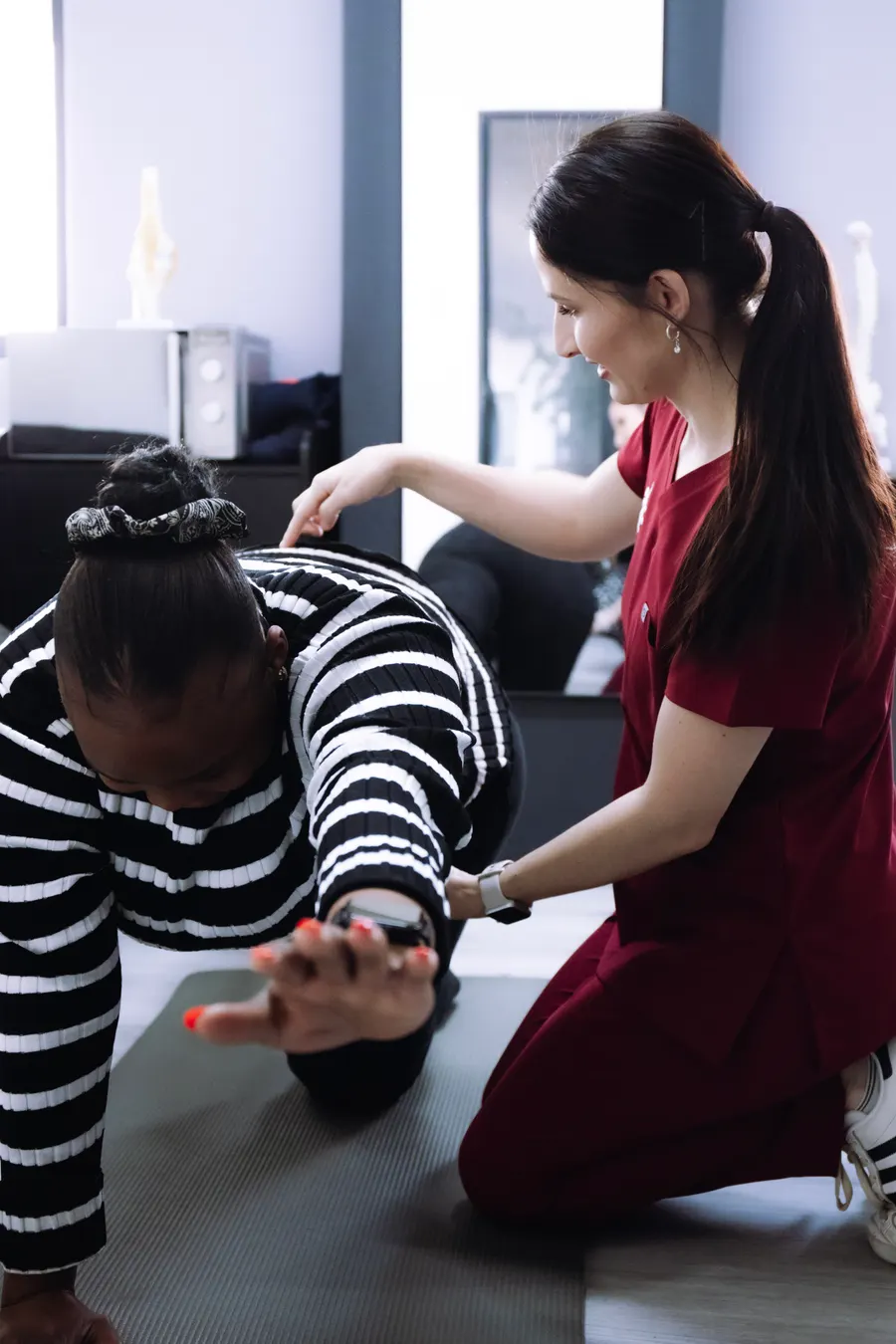
Our approach to dysautonomia and POTS rehabilitation is carefully graded and tailored to your individual symptoms and physical capacity. Rather than pushing through symptoms, we work on gradually rebuilding your body’s tolerance to movement and activity.
Depending on your presentation, physiotherapy may include:
Where appropriate, physiotherapy forms part of a multidisciplinary approach, working alongside your treating doctor and other healthcare professionals.
Our goal is to help you gradually improve your physical capacity, activity tolerance and confidence in movement, while respecting your symptoms and avoiding unnecessary flare-ups.
Every rehabilitation programme is individually paced, helping you work towards returning to the activities that matter most to you as safely and sustainably as possible.